March 21, 2026
From Sticky Notes to Nationals: How a Teenager Used Scrum
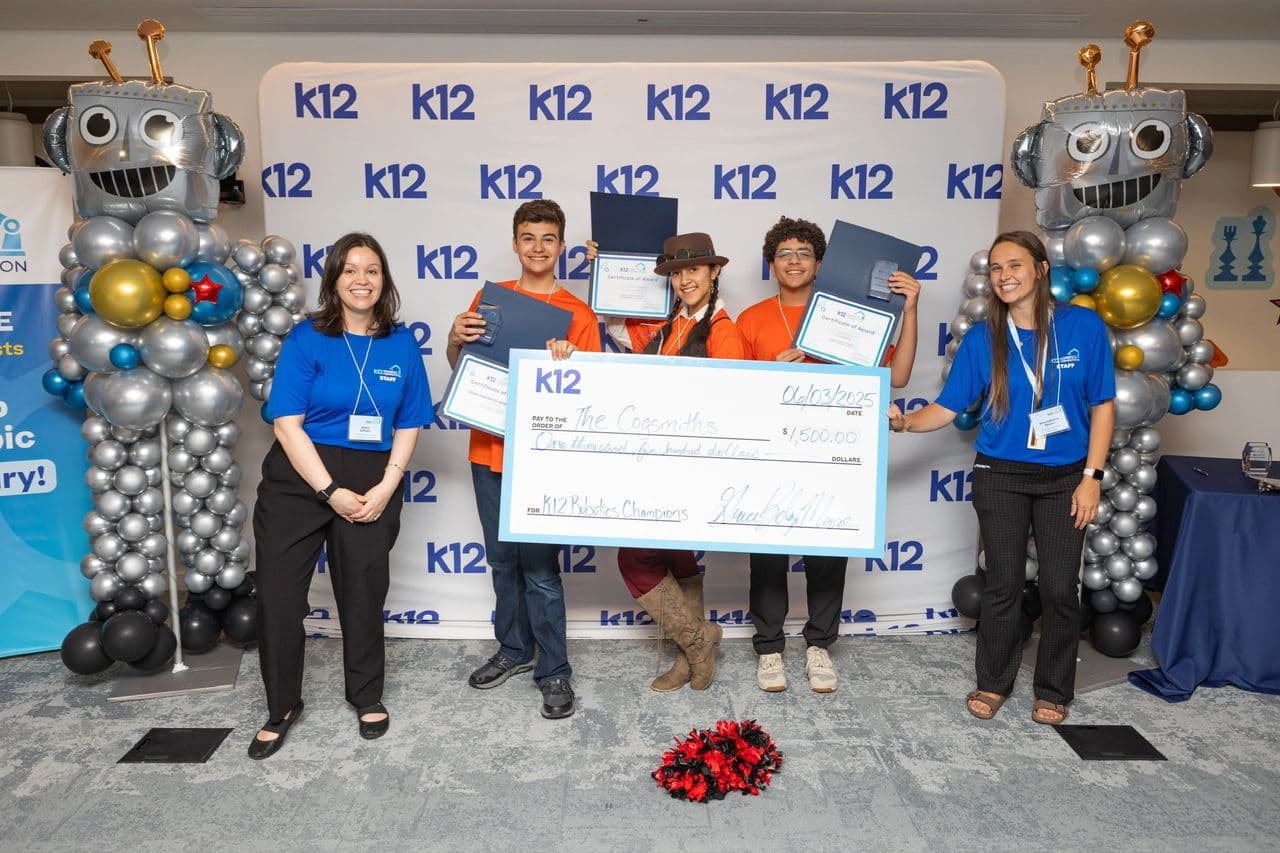
Noah Engineer-Manriquez learned Scrum at four years old. His dad, a construction project manager at the time, came home one day convinced the framework could work for anything. "He said, man, I could use this anywhere," Noah recalls in an interview recorded last summer. "So he started teaching me at the ripe age of four. Scrum was super easy to learn because it made sense. It was intuitive. It felt like second nature."
What started as colorful sticky notes on his bedroom door became a system Noah applied to schoolwork, chores, group projects, and eventually competitive robotics. "I have quite a few whiteboards at home with sticky notes, and I can just use those freely. First, second, third, fourth, fifth. And then tasks fly. Boom, that's done. Next. Boom, that's done. Next. Until it's all done."
Ninja Scrum
When Noah's school announced the K12 Robotics Competition, he recruited his friends and teammates who were in a national Minecraft Education competition. By the second round, the team was struggling to finish on time. "I recognized that we needed to start using Scrum if we were ever to finish it in time," he says. "So I had to use the three roles of Scrum. I had to act as a product owner so I could organize our list of tasks. Then I had to act as the Scrum Master, which helped steer my team. And then I also had to act as a team member, part of the development team, so that I could contribute to our success."
The catch: his teammates had never heard of Scrum. "I never told my teammates what I was doing. I used this thing called ninja Scrum, where I had to be secret about it. I just told them what I'd be doing, but secretly in my head I was thinking, what are the next steps based on what Scrum tells me to do? And they went along with it quite nicely, just thinking of a standard procedure." They won that round. And the next. And the next.
From Virtual to Virginia
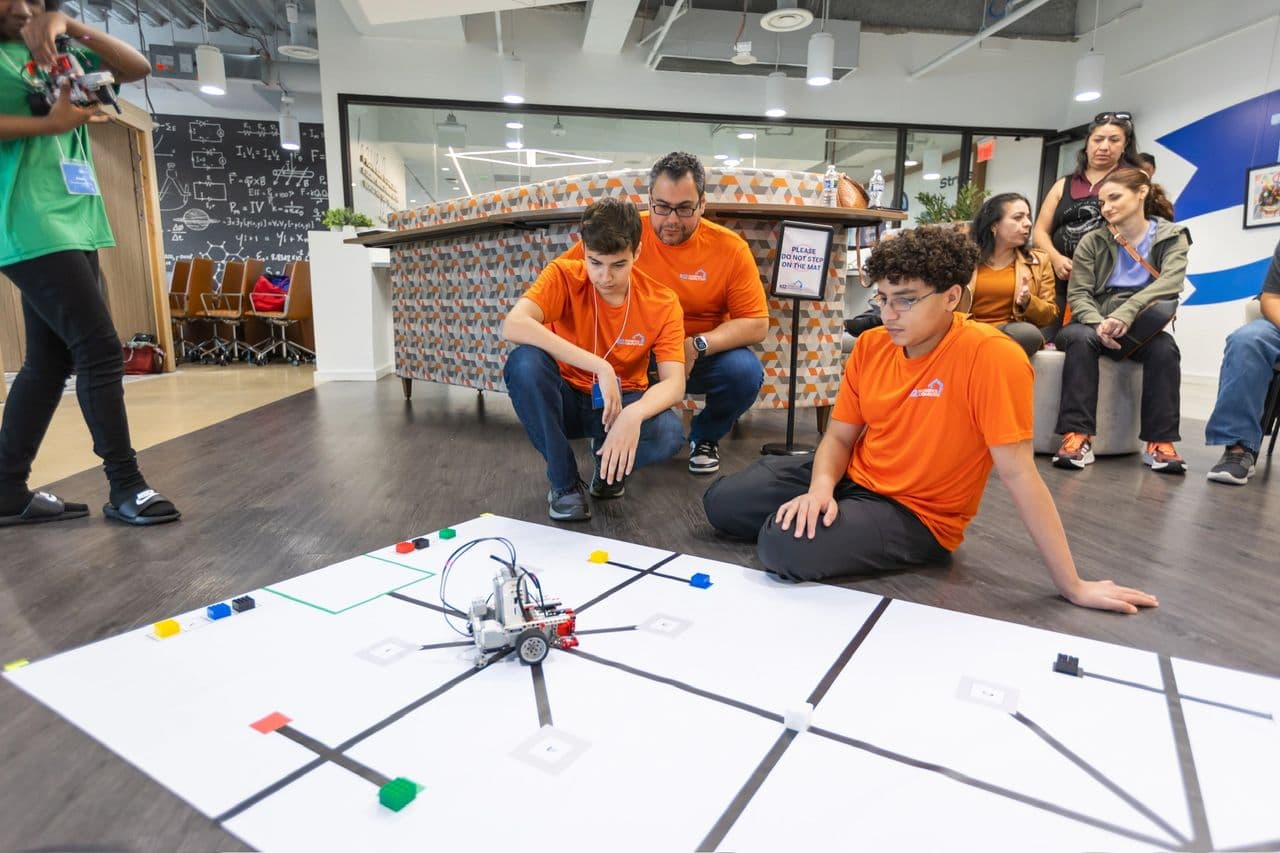
The K12 Robotics Competition uses the Virtual Robotics Toolkit (VRT), a software platform where students design, program, and test LEGO-based robots in a simulated environment. Teams compete in grade-level bands (4-6, 7-9, 10-12), tackling challenges that test autonomous navigation, sensor logic, and coding precision. The Cogsmiths moved through the qualifier rounds virtually, each member working from home. "Early in the competition, the team worked asynchronously to meet the submission deadline," CAVA reported in a profile of Noah. "Scrum kept them aligned, organized, and on track to deliver as one."
For the national finals, the team flew to K12 headquarters in Reston, Virginia. This time they had to build live, in person, under a clock. "That was our first time building live in a short period of time," Noah says. "And I used the same principles, the same system, and we got through that."
Scrum on the Competition Mat
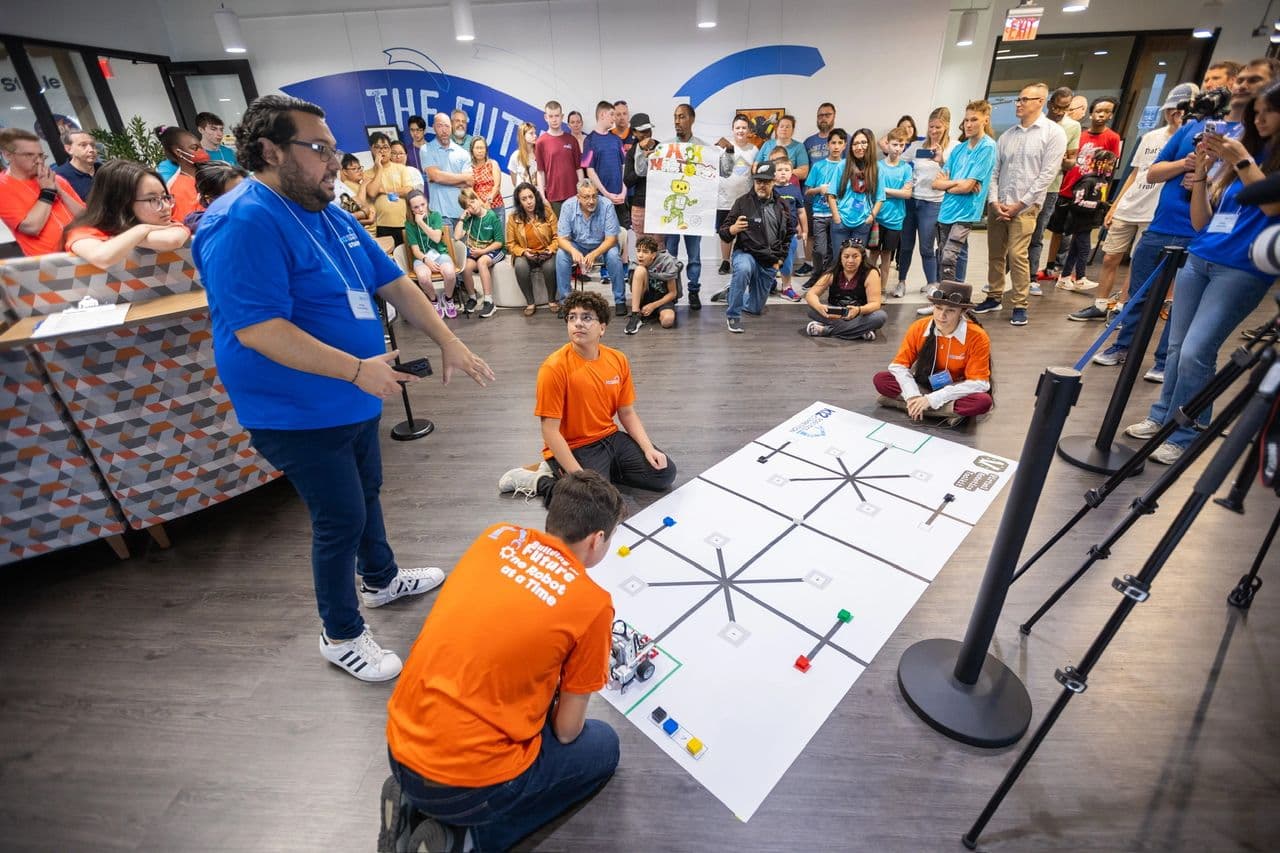
Each team gets time on the mat. The robot starts in a designated zone and navigates autonomously: following lines, reading colors, making decisions based on sensor input. Judges observe and score. The team watches. Once the robot starts running, all you can do is trust the code.
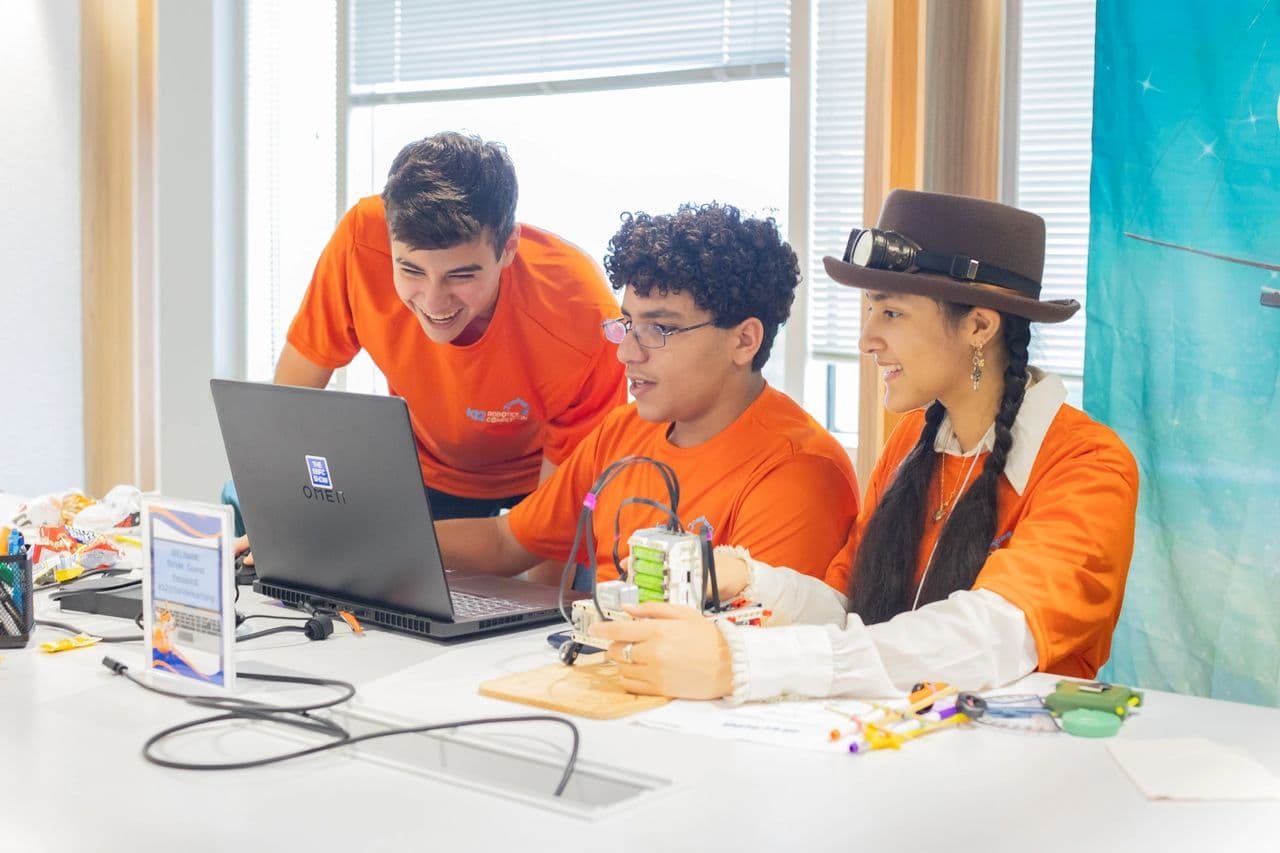
The real work happened in the mini Sprints the team ran each week. Plan what to build. Build it. Test it. Reflect on what worked and what didn't. Adjust. Repeat. The same cycle Noah learned on sticky notes at age four, applied to programming virtual robots.
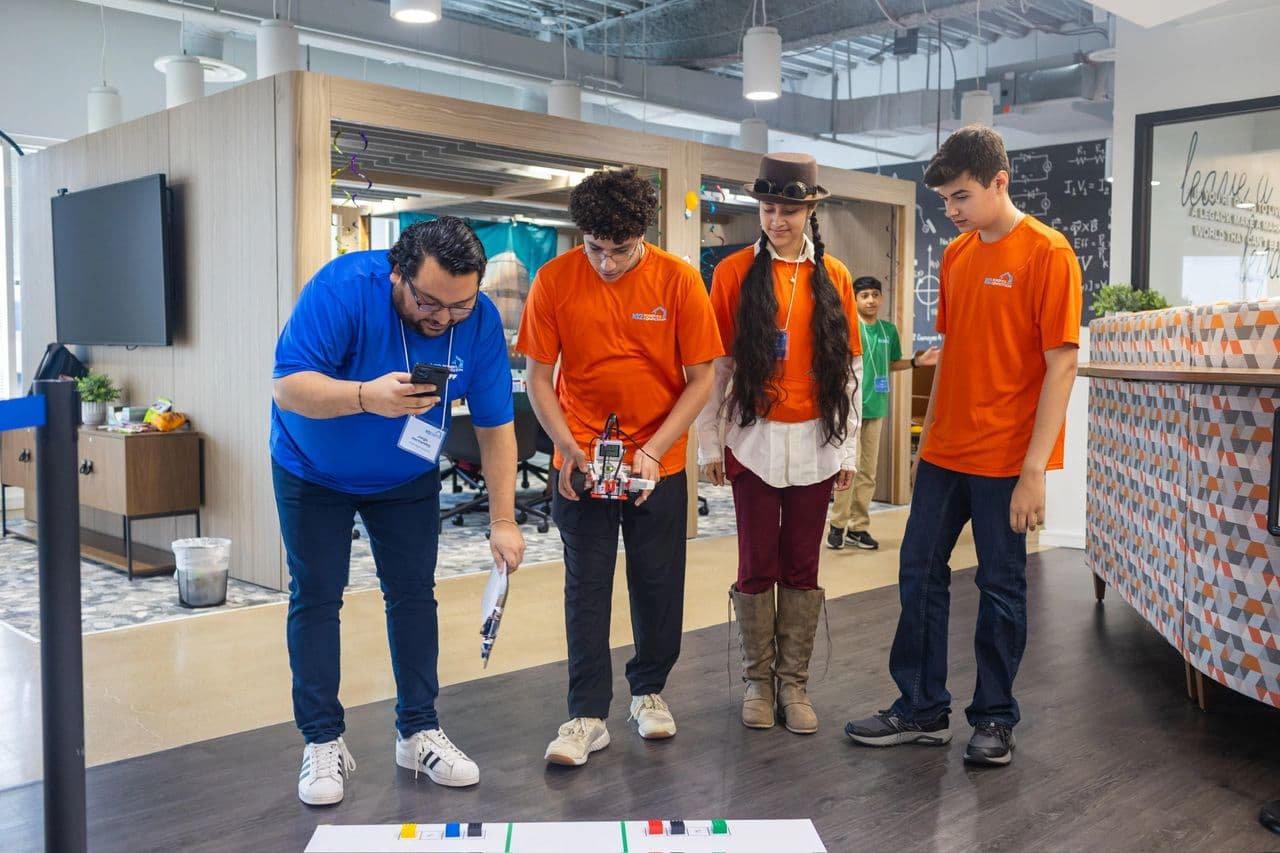
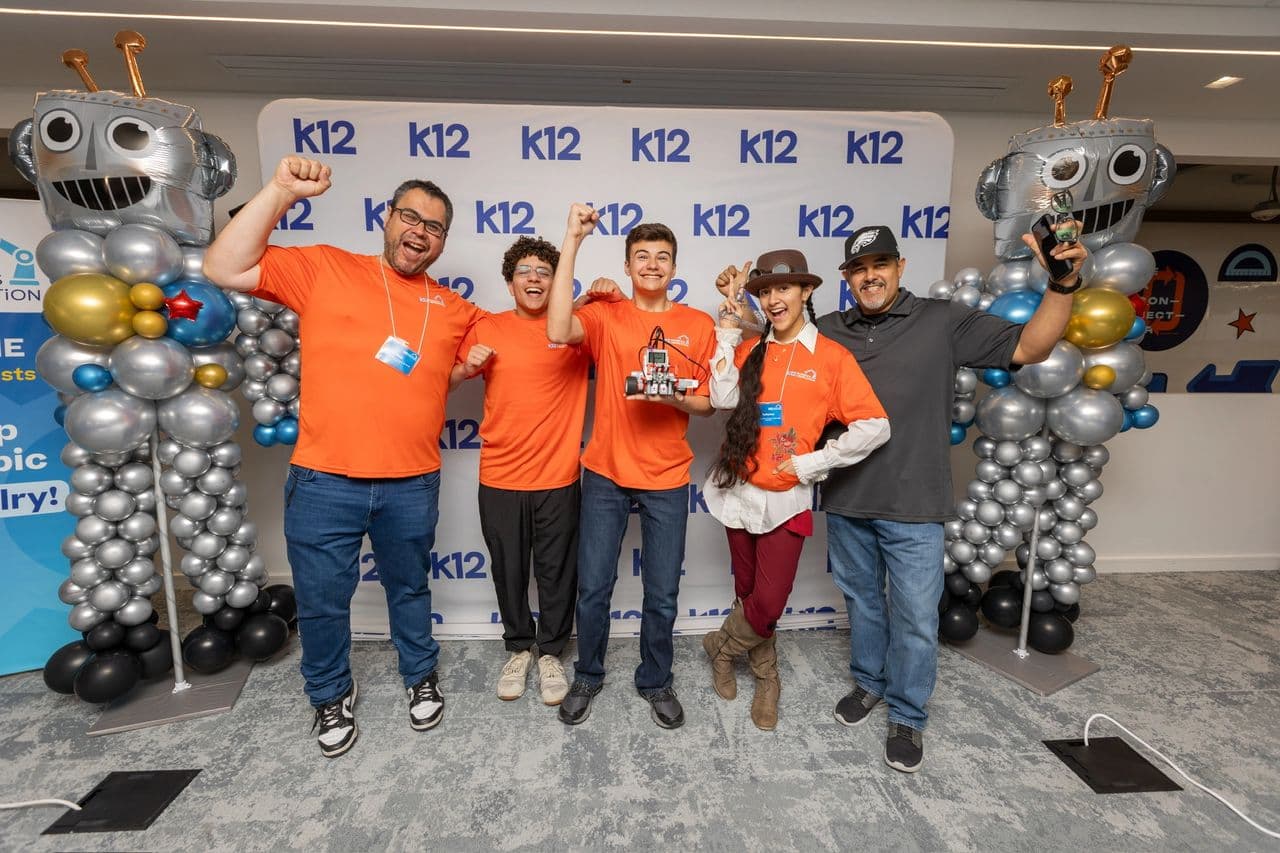
"It's the same framework, the same principles, the same ideas," Noah says. "It's just different tasks. The tasks are different, they have different weight, but that means they can still be prioritized the same way based on what the goal is." The Cogsmiths took first place in their grade band. Each team member received a certificate and the team split a $1,500 prize.
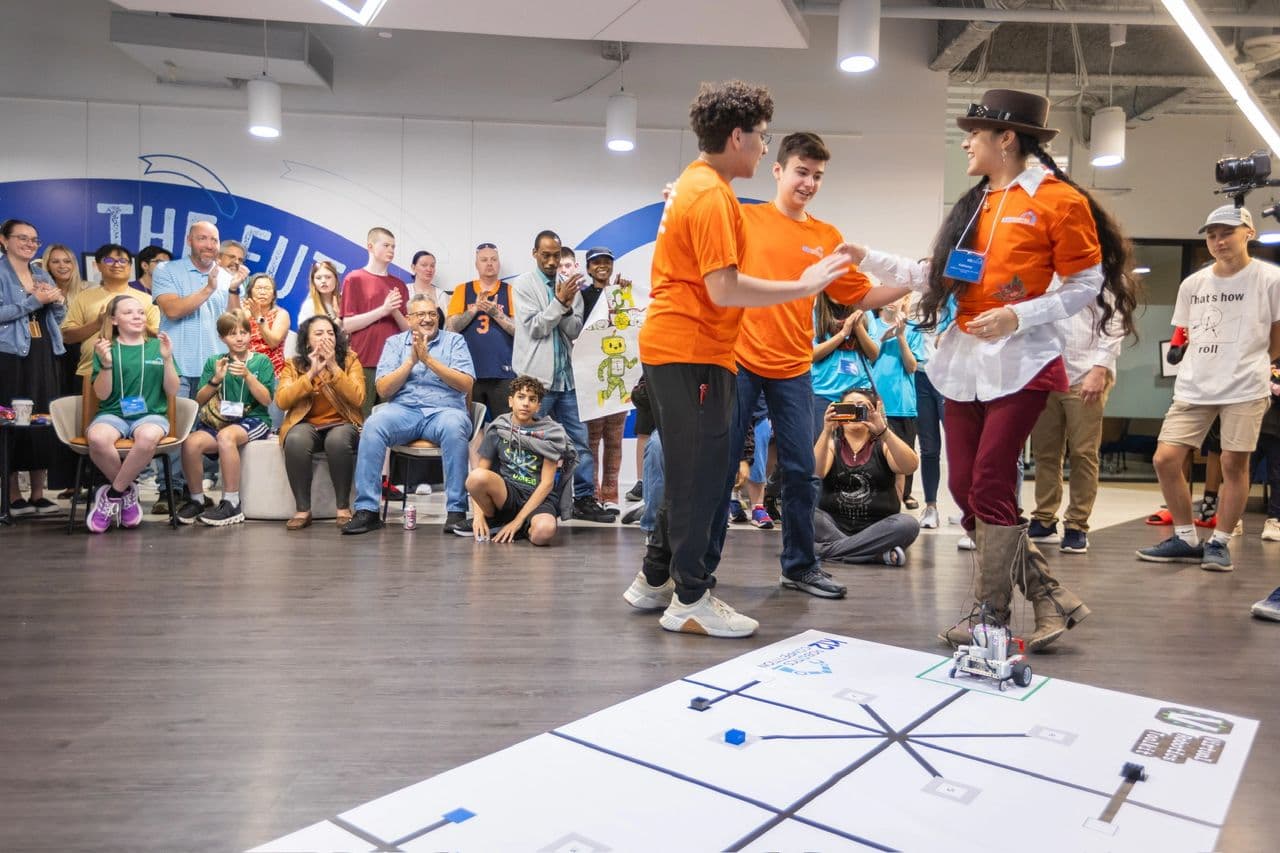
After the awards, Jorge Hernandez, who has led the K12 Robotics League for three years, pulled Noah aside. "You guys did this yourselves. You didn't just compete, you worked together, and I hope to see you next year." High praise from someone who has watched hundreds of teams come through. What set the Cogsmiths apart wasn't just their code. It was ownership, integrity, and a process that kept three students aligned when it mattered.
New Season, New Team
Noah entered the 2025-2026 season with a new team: the Smooth Operators. Different teammates, same framework. "I'm part of the K12 National Robotics League with two friends, and we watch videos together every Friday to figure out how to program virtual LEGO robots," Noah says. Those Friday sessions follow the same Sprint rhythm. Plan what to tackle. Work through it together. Reflect on what they learned. Come back next Friday ready for the next piece.
The Smooth Operators already took 1st place in Round 1. Round 2 opens March 27 at 4 PM ET and closes for score submissions on April 3 at 11 PM ET. The top 3 teams from each grade band (9 teams total) advance to the in-person national finals at K12 headquarters in Reston, Virginia, on June 10.
Beyond Robotics
Noah is also the co-author of Scrum for Teens: Level Up Your Learning with Half the Effort, a guide to applying Scrum to school, projects, and life. He earned his credential as a Registered Scrum Master, becoming the youngest person to hold the title. This past summer, he attended a two-week engineering course at UC Berkeley to build a 3D printer and prototype new designs. He won "Best Product" at the final design presentation.
"You begin to take control of your own schedule," Noah says, "and from there, you have more time to do the things you want to do."
Noah competes in the 10-12 grade band of the K12 Robotics Competition. He competed as captain of the Cogsmiths (2024-2025 national champions) and now competes with the Smooth Operators in the 2025-2026 season.